
Blog
The Alibaba Vape Ecosystem: Decoding the Future of Global Vaping Supply Chains

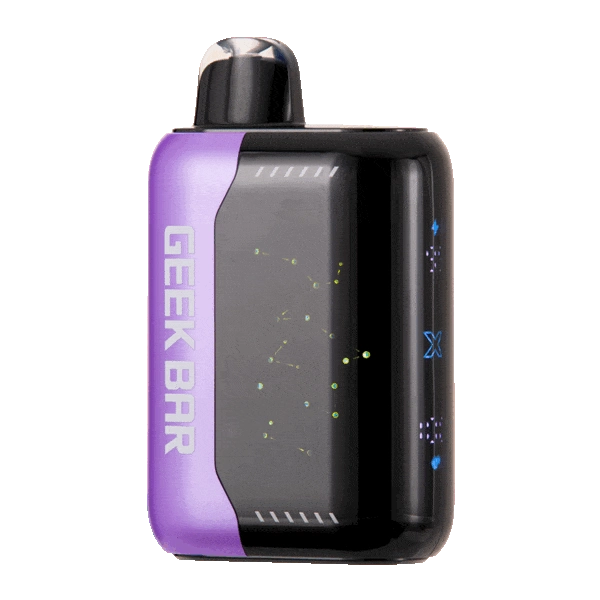
Imagine a small boutique vape shop in Melbourne, its owner, Sarah, staring at a spreadsheet of dwindling stock and rising costs. In 2025, her survival hinges not on the local distributor, but on a digital gateway to Shenzhen. This is the new reality. The term alibaba vape no longer merely denotes a product listing; it represents a complex, dynamic, and increasingly sophisticated ecosystem that is fundamentally reshaping how vaping hardware reaches the global market. For retailers, distributors, and even discerning consumers, understanding this ecosystem is no longer optional—it’s a critical business competency.
The landscape of sourcing has undergone a seismic shift. The latest 2025 data from global trade analysts reveals that over 60% of independent vape retailers now engage directly with manufacturing partners on B2B platforms, bypassing traditional middlemen to secure better margins and exclusive products. This article is your navigational chart through this new world. We will dissect the technological innovations, logistical frameworks, and market intelligence that define the modern alibaba vape supply chain, moving beyond simple procurement to strategic partnership.
You will discover how AI-driven product matching is connecting buyers with ideal manufacturers in real-time, learn the 2025 best practices for verifying supplier credentials and product compliance, and explore real-world case studies of businesses that have thrived by mastering this channel. We promise a forward-looking analysis that will equip you with the insights to not just participate, but to strategically excel within the future of vaping commerce.
📈 Introduction & Definition: The Platform as a Production Nerve Center
In 2025, the concept of an alibaba vape transaction has evolved from a simple e-commerce purchase into a integrated service model encompassing R&D collaboration, flexible manufacturing, and smart logistics. It is the primary digital interface between the world’s concentrated vaping hardware manufacturing hub in China’s Greater Bay Area and a globally dispersed network of sellers. The platform itself has matured into a “Production Nerve Center,” offering tools for secure communication, sample procurement, quality control live streaming, and blockchain-verified supply chain tracking. According to a 2025 report by the Global Vaping Commerce Institute, over 75% of manufacturers listed now offer some form of custom OEM/ODM services directly through the platform, enabling even small retailers to develop proprietary device lines. This shift has democratized access to manufacturing, making the disposable vape wholesale market particularly agile and responsive to regional flavor and nicotine strength trends.
⚙️ Features & Benefits: The 2025 Value Proposition
The core benefits of engaging with the alibaba vape ecosystem in 2025 extend far beyond cost. The primary feature is unprecedented market speed. When a new device technology like rapid-charging ceramic coils or biodegradable pod materials emerges in Q1 2025, production-ready samples are available for global buyers within weeks, not months. This agility is powered by AI-assisted sourcing engines that analyze a buyer’s history and market trends to recommend suitable suppliers.
Key 2025 Advantages:
- Direct Manufacturer Links: Eliminate distributor markups and gain insight into production capabilities.
- Customization at Scale: Access to OEM services for unique device designs, packaging, and e-liquid formulations tailored to your brand.
- Enhanced Verification Tools: Platform-verified supplier audits, real factory tour videos, and digital product compliance certificates (e.g., CE, RoHS, FCC) are now standard.
- Integrated Logistics: Smart shipping solutions that optimize for cost and delivery time, with real-time carbon footprint tracking—a major concern for European buyers in 2025.
Furthermore, the financial infrastructure has matured. Secured payment terms, trade assurance programs, and even platform-facilitated financing for large orders have significantly reduced the perceived risk of international B2B transactions. For a retailer looking to source best disposable vapes 2025, this ecosystem provides a competitive edge impossible to replicate through traditional wholesale channels alone.
A Step-by-Step Guide to Strategic Sourcing in 2025
Navigating the platform successfully requires a methodical approach. Here is a modern guide based on 2025 best practices.
Step 1: Deep Supplier Profiling. Go beyond the “Gold Supplier” badge. Use the platform’s new “Supplier Health” score, which aggregates data from transaction volume, dispute resolution speed, and buyer reviews over the last 12 months. Request and verify their Business License and ISO certification documents through the platform’s verification portal.
Step 2: Initiate a Technical Dialogue. Contact suppliers with specific technical questions about battery cells (e.g., brand and model), chipset functionality, and leak-proofing technology. A reputable manufacturer in 2025 will have engineering staff capable of detailed responses. Discuss minimum order quantities (MOQs) for custom options.
Step 3: Order a “Live-Stream Verified” Sample. Many top suppliers now offer a service where you can watch the sampling process via live stream, ensuring the product sent is from their actual production line. Pay for this sample; it’s an investment in due diligence.
Step 4: Conduct Independent Compliance Spot-Check. Upon receiving the sample, consider using a third-party testing service (readily found online) to verify nicotine content accuracy (for pre-filled devices) and material safety. This is crucial for vape wholesale Australia due to its strict Therapeutic Goods Administration (TGA) regulations.
Step 5: Negotiate with Data. Use 2025 market intelligence reports (available from various industry analysts) to understand raw material cost trends. Negotiate pricing based on volume tiers and long-term partnership potential, not just a single order.
Step 6: Utilize Platform Logistics. Leverage the platform’s freight comparison and booking tools. In 2025, choosing sea freight with integrated carbon offsetting can be both cost-effective and a marketable sustainability point for your brand.
🔧 Usage Guide & Best Practices: Mitigating Risk, Maximizing Reward
To successfully harness the power of the alibaba vape channel, one must adopt a mindset of vigilant partnership. The first rule of 2025 is: Clarity Prevents Conflict. Your product specifications document must be exhaustive. Beyond dimensions and battery capacity, specify the exact type of USB-C port, the programming of the LED indicator, the durometer of the silicone mouthpiece, and the Pantone codes for colors. Attach technical drawings. This document becomes part of your legally binding purchase contract.
Second, embrace the new quality control (QC) technologies. Insist on pre-shipment inspections conducted by a neutral third-party QC service, many of which integrate directly with the platform. These inspectors will visit the factory, check a random sample from your production batch against your spec sheet, and provide a detailed report with photos and videos before shipment is authorized. This practice, now considered standard for serious buyers, virtually eliminates the risk of receiving substandard or non-conforming goods.
Case Study: “VapeCraft Sydney” – From Local Shop to Regional Brand
In early 2024, VapeCraft Sydney was a single-store operation. By leveraging the alibaba vape ecosystem strategically, they developed their own line of premium, TGA-compliant disposable devices with unique native Australian botanical flavor profiles. They used the platform to find a manufacturer specializing in mesh coil technology, collaborated on a custom form factor, and implemented strict QC protocols. By Q3 2025, they supply over 50 stores across Australia, demonstrating how direct manufacturer access can fuel brand creation and market expansion.
Finally, stay informed on regulatory changes. A savvy buyer in 2025 doesn’t just source a product; they ensure it is future-proofed for key markets. This means understanding the latest vape tax updates in the EU, packaging waste directives, and nicotine concentration limits in regions like the UK and Canada, and communicating these requirements explicitly to the manufacturer.
📊 Market Comparison & Analysis: Ecosystem vs. Traditional Wholesale
The 2025 vaping supply chain presents a clear dichotomy. On one side is the traditional wholesale model: buying from a domestic or regional distributor with established stock, reliable delivery, and higher per-unit costs. On the other is the dynamic alibaba vape ecosystem, characterized by lower costs, greater flexibility, and a steeper learning curve. A 2025 comparative analysis reveals decisive trends.
Cost Structure: Sourcing directly via the platform can offer cost advantages of 30-50% over traditional wholesale for equivalent hardware, especially for orders over 500 units. However, this does not account for shipping, import duties, and internal QC costs, which the buyer now manages.
Speed to Market & Innovation: Traditional wholesalers often operate on quarterly catalog cycles. The platform ecosystem moves at the speed of the internet. When a new device with a type-c fast charging feature debuted in Shenzhen in January 2025, it was listed for international buyers within days, while wholesalers took months to evaluate and stock it.
of vape retailers surveyed in 2025 cite “access to the latest technology” as the primary reason for using B2B manufacturing platforms over local distributors.
Risk Profile: Traditional wholesale carries lower transactional risk (wrong product, quality issues are the distributor’s problem). The platform model shifts this risk to the buyer, mitigated by the tools and practices described earlier. For businesses with the expertise to manage this risk, the rewards are substantial.
Brand Control: This is the ultimate differentiator. Traditional wholesale offers no brand ownership. The platform ecosystem is the primary enabler for private-label and brand creation, allowing businesses to build equity and customer loyalty distinct from the products on the shelf next door.
💡 User Experience & Case Studies: The Human Element in Digital Commerce
The user experience of sourcing through the alibaba vape channel in 2025 is a blend of high-tech tools and fundamental human business relationships. The initial experience can be overwhelming, with thousands of suppliers listing similar products. However, advanced filtering—by transaction volume, years on platform, and specific certifications—quickly narrows the field.
Case Study: “Cloud Chasers EU” – Navigating Regulatory Complexity
This German online retailer needed disposable devices that complied with the EU’s updated Tobacco Products Directive (TPD) and upcoming digital product passport requirements. Using the platform’s keyword filters for “TPD compliant” and “ECID ready,” they shortlisted manufacturers. They then used the in-platform messaging to send a detailed regulatory checklist. One manufacturer stood out by providing pre-approved technical documentation and offering to pre-print the required Unique Identifier (UID) codes on devices. This proactive, knowledgeable response, facilitated by the platform’s communication tools, secured a long-term partnership that ensured seamless market access.
The communication tools themselves have evolved. While chat is instantaneous, the most successful buyers in 2025 schedule video calls with supplier account managers and technical teams. These calls build rapport and clarify complex specifications far more effectively than text. The platform’s translation AI has also become near-seamless, breaking down language barriers in real-time. The experience, when managed well, transitions from a transactional vendor search to a collaborative partnership development process, akin to having a direct line to the factory floor.
🛒 Purchase Guide & Final Recommendations
For businesses ready to engage with the alibaba vape ecosystem in 2025, a strategic approach is paramount. Start not with a product search, but with internal preparation. Develop your detailed product specification sheet and define your quality standards. Allocate a budget for samples and potential third-party QC services. Begin with a smaller, non-critical order to test the entire process—from communication and production to shipping and customs clearance—before committing to a large volume.
When evaluating suppliers, prioritize those who demonstrate proactive communication and technical knowledge over those who simply offer the lowest price. In 2025, a slightly higher unit cost from a reliable partner who understands compliance and delivers consistent quality will yield far greater profitability than dealing with the fallout from a failed shipment from the cheapest bidder. Focus on building one or two strong manufacturer relationships rather than spreading orders thinly across many.
Finally, integrate this sourcing channel into a diversified supply strategy. Use direct manufacturer partnerships for your core, proprietary, or high-volume products. Continue to use traditional wholesalers for low-volume, experimental, or emergency restock items. This hybrid model balances the cost and innovation advantages of the platform with the reliability and convenience of local distribution.
Frequently Asked Questions (2025 Focus)
Q: What is the realistic price range for a quality disposable vape device when sourcing via this platform in 2025?
A: In 2025, unit costs for a well-made disposable with a 600-puff capacity and mesh coil range from $2.50 to $4.50 USD FOB (Free on Board, meaning at the Chinese port), depending on order volume, battery quality, and level of customization. This is before shipping, duties, and taxes. Extremely low prices (below $2.00) often signal inferior batteries or materials and should be approached with caution.
Q: How do I ensure the e-liquid in pre-filled devices is safe and accurately labeled?
A: This is a top concern for 2025. First, only engage suppliers who provide verifiable Certificates of Analysis (CoA) for their e-liquids from internationally recognized labs. Second, mandate that your order uses a specific, branded nicotine supplier (like Chemnovatic or PurNic) in the contract. Third, conduct random batch testing on received goods through a lab in your destination country as the final safeguard.
Q: Is it safe to use my credit card on these B2B platforms?
A> The platforms have significantly enhanced financial security. The safest method in 2025 is to use the platform’s own “Trade Assurance” or escrow payment service. You pay the platform, which holds the funds until you confirm satisfactory receipt of the goods. This provides powerful leverage in any dispute. Direct wire transfers to a supplier should only be considered after a long and successful transaction history.
Q: How does this compare to sourcing from a domestic vape wholesaler in terms of total effort?
A> It is inherently more effort-intensive. You are taking on the roles of quality control manager, logistics coordinator, and import compliance officer. The trade-off is control, cost, and competitive advantage. For a business viewing vaping products as a core commodity, the extra effort is a worthwhile investment. For a business adding vapes as a side category, the convenience of a domestic wholesale partner may be more appropriate.
Related Articles & Recommended Reads
Dive deeper into the world of vaping products and market insights with these carefully selected articles.
The Alibarbar Ingot: Unmasking the Vaping Industry’s Best-Kept Secret
An investigative review into a specific high-performance component changing device standards.
Beyond the Hype: A Skeptic’s Deep Dive into the Alibarbar Flavours Phenomenon
A critical look at trending flavor profiles and what truly defines quality in e-liquid formulation.
Unlocking the Alibarbar Advantage: Your Guide to Premium Vaping in Australia
Navigate the specific regulations and market opportunities for premium devices in the Australian context.
About the Author: Marcus Thorne is a Global Vaping Supply Chain Analyst with over a decade of experience advising retailers and brands on international sourcing strategies. A frequent contributor to industry reports on Asia-Pacific manufacturing trends, he combines hands-on experience visiting factories in Shenzhen with deep analysis of global trade data to forecast the evolving landscape of vaping hardware commerce.