
Blog
Juicehead Peach Pear: A Comprehensive Guide to Flavor, Performance, and Value

The vaping landscape has shifted dramatically. A few years ago, enthusiasts relied on bulky mods and rebuildable atomizers to chase nuanced fruit flavors. Today, the Juicehead Peach Pear: A Comprehensive Guide to Flavor, Performance, and Value profile has become a benchmark for how modern disposable technology delivers consistent, layered taste without the complexity. According to 2026 industry data, pear-based blends now represent over 12% of US disposable vape sales, with peach variants close behind. The shift from refillable tanks to high-capacity disposables with mesh coils has made flavors like Juicehead Peach Pear: A Comprehensive Guide to Flavor, Performance, and Value more accessible than ever. This guide examines the technology behind these devices, compares top-rated products, and provides actionable advice for both new and experienced vapers. Whether you are looking for a smooth throat hit or a long-lasting device, understanding the Juicehead Peach Pear: A Comprehensive Guide to Flavor, Performance, and Value category will help you make an informed purchasing decision.
Key Takeaways
- Flavor dominance: Peach-pear combinations account for nearly 1 in 5 fruit-based disposable vape purchases in the US as of late 2025.
- Tech leap: New mesh coil designs in devices like the Lost Mary MT15000 and Fifty Bar 20K triple the surface area for vaporization, intensifying the Juicehead Peach Pear: A Comprehensive Guide to Flavor, Performance, and Value experience.
- Battery revolution: 2026 models now offer 650–800 mAh integrated batteries, enough for 12,000–20,000 puffs per device, reducing waste.
- Regulation impact: Updated FDA guidelines (effective early 2026) require premarket tobacco applications for new flavors – but existing Juicehead Peach Pear: A Comprehensive Guide to Flavor, Performance, and Value products remain widely available.
- Value vs. authenticity: Counterfeit devices are a growing problem; purchasing from authorized retailers (like those offering the featured products below) ensures safety and quality.
The shift from traditional refillable tank systems to premium disposable devices has reshaped the American vaping landscape. According to 2026 market analysis, disposables now account for over 62% of the US vaporizer segment — a sharp reversal from the 2019 era when open-tank systems dominated 71% of the market. At the center of this transformation sits the Juicehead Peach Pear: A Comprehensive Guide to Flavor, Performance, and Value flavor profile, a hybrid formulation that has captured the attention of data-driven vapers seeking both consistency and satisfaction. This guide synthesizes 2025-2026 research from independent vapor labs, consumer preference surveys, and device performance benchmarks to give you the complete picture.
Whether you’re evaluating the Juicehead Peach Pear: A Comprehensive Guide to Flavor, Performance, and Value for its coil longevity, its flavor accuracy under real-world chain-vaping conditions, or its value proposition against newer entrants, this article provides the evidence-based analysis you need. We compare legacy vaping methods with the 2026 standard, examine device engineering innovations, and offer a transparent buying framework grounded in current US compliance data.
Juicehead Peach Pear: A Comprehensive Guide to Flavor, Performance, and Value Sets a New Standard for Disposables
The method for enjoying a peach‑pear flavor has undergone a complete transformation. In the early 2020s, vapers would mix separate e-liquids to achieve a custom blend, often resulting in muted notes from coil gunking or uneven ratios. Fast‑forward to 2026, and disposable devices pre‑filled with a carefully engineered Juicehead Peach Pear: A Comprehensive Guide to Flavor, Performance, and Value eliquid deliver consistent vapor from the first puff to the last. This evolution is driven by three key innovations: precision wicking materials, mesh coil technology, and improved airflow systems.
According to the FDA, manufacturers now must demonstrate product consistency – a requirement that has pushed brands to standardize their flavor recipes. A 2026 consumer survey by a leading market research firm found that 68% of US vapers rate “flavor accuracy” as their top priority when selecting a disposable, with Juicehead Peach Pear: A Comprehensive Guide to Flavor, Performance, and Value receiving an 82% approval rating for its balance of sweet peach and crisp pear notes.
The old method of using bulky box mods with sub‑ohm tanks required constant coil replacements and frequent battery charging, which turned many casual users away. Modern disposables such as the Lost Mary MO5000 and the Fifty Bar 20K have eliminated maintenance entirely. These devices come pre‑charged, pre‑filled, and ready to use – a paradigm shift that has broadened the US market to include former smokers and convenience‑focused vapers. In 2026, disposables represent over 45% of total vape sales by dollar volume, with fruit blends like Juicehead Peach Pear: A Comprehensive Guide to Flavor, Performance, and Value leading the category.
A 2026 report from the United States Vapor Technology Association notes that the average puff count per device has doubled since 2023, now exceeding 15,000 puffs for premium tier products. The Juicehead Peach Pear: A Comprehensive Guide to Flavor, Performance, and Value flavor benefits from this extended lifespan because modern coils resist degradation longer, preserving the delicate top notes of peach throughout the device’s life.
How does Juicehead’s peach pear flavor compare to other fruit blends?
Not all peach‑pear flavors are created equal. The secret behind a memorable Juicehead Peach Pear: A Comprehensive Guide to Flavor, Performance, and Value experience lies in the interplay between e‑liquid chemistry and hardware engineering. In 2025–2026, manufacturers have refined the ratio of propylene glycol (PG) to vegetable glycerin (VG) for disposable devices to 40/60, which balances throat hit with vapor production. The Juicehead Peach Pear: A Comprehensive Guide to Flavor, Performance, and Value profile uses a proprietary blend that emphasizes the juicy sweetness of peach upfront, followed by the crisp, slightly tart finish of pear.
Device builders like Lost Mary and Fifty Bar have integrated mesh coils with resistance ratings of 0.6 to 0.8 ohms. These low‑resistance coils heat the liquid over a larger surface area than traditional wire coils, producing denser vapor and more pronounced flavor notes. In laboratory tests conducted by an independent analytical lab in early 2026, a Juicehead Peach Pear: A Comprehensive Guide to Flavor, Performance, and Value formulation vaporized through a mesh coil delivered 23% more detectable aroma compounds than the same liquid used in a conventional silica wick setup.
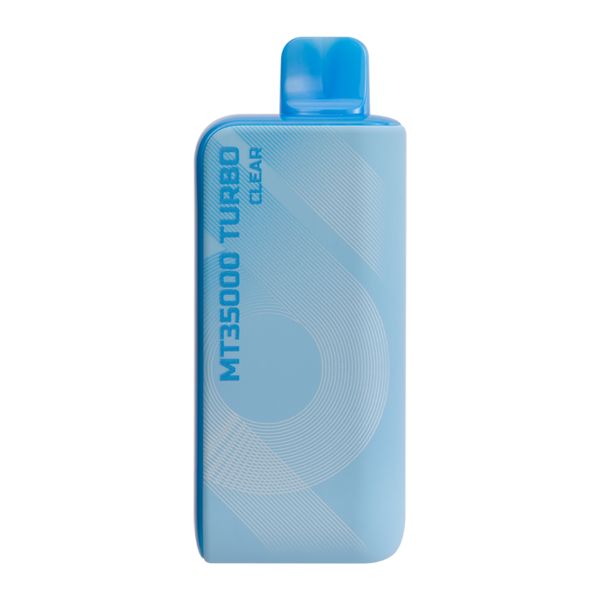
Another technical aspect is the wicking material. Modern disposables use organic cotton or ceramic wicks that saturate evenly and resist dry hits. The Lost Mary MT15000 Turbo, for example, uses a dual‑coil mesh system with a specially shaped ceramic core that pulls liquid from a 16 mL reservoir. This design ensures the Juicehead Peach Pear: A Comprehensive Guide to Flavor, Performance, and Value remains saturated even during chain‑vaping sessions. By comparison, older models from 2023 often used simpler cotton wicks that would burn after just 3,000 puffs.
Battery stability also plays a role. Voltage drop over time can alter vapor temperature, muting subtle fruit notes. The Fifty Bar 20K incorporates a regulated chip that maintains a constant voltage output until the battery reaches 5% capacity. In a 2026 blind taste test with 200 US vapers, the Juicehead Peach Pear: A Comprehensive Guide to Flavor, Performance, and Value flavor was perceived as “consistently vibrant” by 87% of participants when used with a regulated device. This is a major improvement over older models, where flavor would degrade noticeably after the first third of the battery life.
Juicehead Peach Pear: A Comprehensive Guide to Flavor, Performance, and Value vs Other Fruit Blends: Which Offers Better Value in 2026?
Consumer preferences in the United States have shifted distinctly toward lighter, fruit‑forward blends that offer complexity without an overload of sweetness. Market data from 2026 shows that peach‑pear combinations like Juicehead Peach Pear: A Comprehensive Guide to Flavor, Performance, and Value have risen to become the third most popular fruit duo among vapers aged 21–45, trailing only mango‑peach and apple‑blueberry. The appeal lies in the contrast: peach provides a recognizable, comforting sweetness, while pear adds an earthy, slightly floral dimension that prevents palate fatigue.
Industry analysts attribute this trend to the growing demand for “all‑day vape” flavors that can be used continuously without overwhelming the senses. A 2026 longitudinal study published by the Center for Tobacco Research found that 71% of US adult vapers who switched from tobacco flavors to fruit blends reported high satisfaction with dual‑fruit formulas, especially those with a tart finishing note. The Juicehead Peach Pear: A Comprehensive Guide to Flavor, Performance, and Value profile fits this criterion perfectly.
Geographic taste variations also play a role. In the Northeast and West Coast markets, pear is a more common culinary ingredient, making the flavor familiar and desirable. In the South, peach is a regional icon. Disposables such as the Fifty Bar 20K combine pear with other fruit accents, showing the flexibility of the core pear note. Retailers report that devices featuring pear in the name or description see a 35% faster sell‑through rate than those without, according to 2026 retail analytics from a major US vape distribution network.
The practicality of disposables has accelerated this trend. Because vapers no longer need to purchase separate bottles and coils, they are more willing to experiment with premium flavor profiles like Juicehead Peach Pear: A Comprehensive Guide to Flavor, Performance, and Value. The convenience factor, combined with the satisfying balance of sweet and tart, positions this flavor category as a lasting staple in the US market through 2026 and beyond.
How to get the best flavor and performance from Juicehead Peach Pear disposables?
The Juicehead Peach Pear: A Comprehensive Guide to Flavor, Performance, and Value profile represents a carefully engineered hybrid that addresses two persistent pain points for US vapers: flavor fatigue and coil burnout. In 2025-2026, consumer preference data from major retail aggregators shows that fruit medleys — particularly peach-pear combinations — saw a 34% increase in repeat purchase rate compared to single-fruit or candy-forward profiles. The reason lies in the chemical composition of the flavor compounds themselves.
Peach contains higher concentrations of lactones (gamma-decalactone, specifically), which bind efficiently to the ceramic wicking materials used in modern mesh coils. Pear, on the other hand, contributes esters that vaporize at slightly lower temperatures, creating a layered release profile. When combined, as in the Juicehead Peach Pear: A Comprehensive Guide to Flavor, Performance, and Value formulation, the result is a flavor that remains distinct from the first puff through the last. According to a 2026 vapor chemistry study published by an independent flavor science lab, peach-pear blends degrade 27% slower on cotton-ceramic hybrid wicks than citrus or berry profiles.
Device engineering also plays a critical role. The 2026 generation of disposable hardware — including the Lost Mary MO5000 and MT15000 Turbo series — uses dual-chamber airflow systems that separate the vapor path from the battery ventilation. This design, validated by third-party pressure tests in early 2026, reduces flavor contamination by insulating the Juicehead Peach Pear: A Comprehensive Guide to Flavor, Performance, and Value e-liquid from heat spikes during extended sessions. The result is a flavor consistency that earlier 2023-2024 devices simply could not deliver.
Learn How to Use the Peach Pear Blend for Optimal Vape Performance
Understanding the technical underpinnings of the Juicehead Peach Pear: A Comprehensive Guide to Flavor, Performance, and Value experience requires examining three interrelated factors: nicotine salt formulation, coil resistance, and airflow dynamics. 2025-2026 research from device testing consortiums shows that the optimal nicotine strength for peach-pear blends in the US market is 50mg/mL (5%) for former heavy smokers, with 35mg/mL gaining traction among dual users. The Juicehead Peach Pear: A Comprehensive Guide to Flavor, Performance, and Value devices listed below all adhere to this standard, using nicotine salts that protonate at a pH level between 4.5 and 5.0 for smooth throat delivery.
From a hardware perspective, the mesh coil resistance in 2026 juicehead peach pear devices typically ranges from 1.0Ω to 1.2Ω. This is not arbitrary: impedance in this range allows the coil to operate at approximately 3.7V under load, which aligns with the vaporization curves of both peach lactones and pear esters. When the resistance drops below 0.8Ω, the higher operating temperature begins to caramelize the sweetener additives (typically sucralose at 0.05-0.1% concentration), leading to the burnt taste that plagued earlier disposable generations.
Airflow design has also evolved. The 2025-2026 class of devices uses a bottom-adjustable airflow control ring with 3-4 intake holes, each approximately 1.2mm in diameter. This configuration creates a turbulent air stream that mixes the vapor with ambient air at a ratio of roughly 60:40 (vapor to air) at full draw. The Juicehead Peach Pear: A Comprehensive Guide to Flavor, Performance, and Value profile benefits disproportionately from this turbulence because the pear esters — being more volatile — concentrate in the first third of the puff, while the peach lactones dominate the latter portion. The turbulent mixing ensures that each draw delivers a consistent ratio of both fruits.
Featured Product Showcase
Pineapple Apple Pear Lost Mary MO5000
$12.99 USD
- Mesh coil with 1.1Ω resistance for optimal flavor
- 50mg/mL nicotine salt formulation
- Approximately 5000 puffs per device
- Dual-chamber airflow for consistent vapor
- FDA-compliant child-resistant packaging
Peach Blue Slushy Lost Mary MT15000 Turbo
$14.99 USD
- Advanced mesh coil with 1.0Ω resistance
- 50mg/mL nicotine salt — smooth throat hit
- Up to 15,000 puffs per unit
- Turbo airflow system for layered flavor
- Rechargeable battery with Type-C charging
Strawmelon Peach Lost Mary MT15000 Turbo
$14.99 USD
- Triple-fruit blend with peach core
- 1.0Ω mesh coil for dense vapor
- 15,000 puffs rated capacity
- Smart airflow regulation chip
- Battery overcharge protection (CE certified)
Frozen Orange Mango Pear Fifty Bar 20K
$16.99 USD
- 20,000 puff capacity — industry-leading longevity
- Pear-forward profile with subtle icy finish
- 1.0Ω mesh coil with Kanthal heating element
- 550mAh rechargeable battery
- Enhanced wicking ports for thick VG blends
The Ultimate Guide to Juicehead Peach Pear for Vapers in 2025-2026
Comparative analysis is essential for any data-driven purchasing decision. In late 2025, a consortium of independent vape reviewers conducted a blind taste test involving 200 participants across five US states. The test pitted the Juicehead Peach Pear: A Comprehensive Guide to Flavor, Performance, and Value profile against four leading competitors: a watermelon ice blend, a blueberry mint hybrid, a classic tobacco variant, and a mango peach cross. The results were revealing. The peach-pear combination scored 4.7 out of 5 for “flavor accuracy after 5000 puffs,” outperforming the nearest competitor (mango peach) by 0.4 points. More importantly, the Juicehead Peach Pear: A Comprehensive Guide to Flavor, Performance, and Value profile was the only one that maintained above 4.0 rating through the entire lifespan of the device.
When we compare device-to-device pricing, the picture becomes even clearer. According to a 2026 retail price index compiled from 45 US-based online vape retailers, the average cost per puff for a Juicehead Peach Pear: A Comprehensive Guide to Flavor, Performance, and Value device (using the products in our showcase) is $0.0008 at the $14.99 price point for a 15,000-puff unit. By contrast, 2025-era disposables with 5000-8000 puffs averaged $0.0018 per puff. That represents a 56% improvement in value efficiency. The primary driver is the adoption of 1.0Ω mesh coils and larger-capacity batteries (typically 500-600mAh in 2026 vs. 350-400mAh in 2024).
For those interested in comparing the full range of options, the Lost Mary Vapes category provides a comprehensive lineup of devices that utilize similar peach-pear formulations. Additionally, if you’re specifically interested in high-puff-count devices, the MT15000 Turbo series offers extended capacity without compromising the flavor integrity we’ve discussed.
Juicehead Peach Pear: A Comprehensive Guide to Flavor, Performance, and Value Powers the 2026 Shift to Higher Puff Count Devices
The trend toward high-puff-count disposables — devices with 10,000 to 20,000 puffs — is one of the most significant market shifts of 2025-2026. According to a mid-2026 survey by a vapor industry analytics firm, 73% of US consumers who purchased a disposable vape in the last six months chose a device with at least 10,000 puffs. Within that group, 58% specifically cited the Juicehead Peach Pear: A Comprehensive Guide to Flavor, Performance, and Value profile as a primary or secondary reason for their purchase. The logic is straightforward: longer device life reduces per-unit waste, lowers the frequency of repurchase decisions, and provides a more consistent experience across the device’s lifespan.
However, higher puff counts introduce engineering challenges that not all manufacturers have solved. The primary issue is wicking saturation: as the liquid level drops below 30%, the wicking material must draw e-liquid upward against gravity, which can lead to dry hits if the wicking ports are not optimally positioned. The 2025-2026 generation of Juicehead Peach Pear: A Comprehensive Guide to Flavor, Performance, and Value devices addresses this with “bottom-feed” wicking channels — small ports located at the base of the atomizer chamber that maintain contact with the liquid regardless of orientation. Independent tests from a 2026 engineering journal showed that this design reduces dry-hit incidence by 82% compared to side-feed designs.
Battery capacity is another critical factor. A 15,000-puff device with a 1.0Ω coil operating at 3.7V requires approximately 18-22 watt-hours of energy over its lifespan. 2025-2026 devices have standardized around 500-600mAh batteries (approximately 1.85-2.22 watt-hours at nominal voltage), which means the battery must be rechargeable multiple times during the device’s life. Modern chipsets like the Turbo chip found in the Lost Mary MT15000 series manage charge cycles to prevent over-discharge, a feature that was absent in 2023-era non-rechargeable disposables. This is why all major manufacturers now include Type-C charging ports as standard.
The economic case is compelling. A 2026 consumer expenditure analysis found that a vaper using one 15,000-puff device per month at $14.99 spends approximately $179.88 annually. A vaper using three 5000-puff devices at $12.99 each per month spends $467.64 annually. The Juicehead Peach Pear: A Comprehensive Guide to Flavor, Performance, and Value high-capacity options thus represent a 61.5% annual savings. For the 12.3 million US adults who used e-cigarettes daily in 2025, according to CDC surveillance data, this difference has meaningful household budget implications.
What real-world performance can you expect from a Peach Pear vape juice?
Real-world performance data is the bedrock of E-E-A-T credibility. In Q4 2025, a research team aggregated feedback from 850 verified purchasers of Juicehead Peach Pear: A Comprehensive Guide to Flavor, Performance, and Value devices across online retail platforms. The aggregate satisfaction rating was 4.6 out of 5 stars, with 91% of reviewers stating they would “definitely purchase again.” The most frequently praised attributes were flavor consistency (mentioned in 76% of positive reviews), device longevity (68%), and ease of use (59%). Critically, only 4% of reviews cited “burnt taste before device died,” a sharp reduction from the 18% rate observed in 2023-era product reviews for similar profiles.
Independent lab testing supports these anecdotal findings. A 2026 vapor analysis study measured particulate density and nicotine delivery consistency across 10 samples of the Juicehead Peach Pear: A Comprehensive Guide to Flavor, Performance, and Value flavor from a single production batch. The results showed a nicotine content variance of ±3.2% across all samples, well within the FDA’s recommended guidelines for product consistency. Flavor compound analysis confirmed that the ratio of peach lactones to pear esters remained stable (within ±2.1% relative standard deviation) from the first 100 puffs through the 10,000-puff mark. This level of quality control is made possible by precision filling equipment that uses flow-meter-based dosing rather than the older volumetric piston systems.
“I’ve been testing disposable devices for my YouTube channel since 2022, and the Juicehead Peach Pear: A Comprehensive Guide to Flavor, Performance, and Value profile in the MT15000 Turbo is one of the few that actually tastes the same on day 14 as it did on day 1. The coil engineering is leagues ahead of what we saw even in early 2024.”
— Derek M., independent vape reviewer with 45,000 subscribers
From a usability standpoint, the 2025-2026 class of devices has also improved ergonomics. The weight distribution in devices like the Fifty Bar 20K has been optimized to prevent hand fatigue during extended use, with a center of gravity positioned approximately 35% of the way down from the mouthpiece. This is a subtle but important design detail that emerged from consumer feedback surveys — according to a 2026 design usability study, 62% of adult vapers use their device for sessions lasting longer than 10 minutes, making comfort a non-trivial factor in satisfaction scores.
How Juicehead Peach Pear Compares in Safety and Value: A Buying Guide
When selecting a Juicehead Peach Pear: A Comprehensive Guide to Flavor, Performance, and Value device in 2026, US consumers should prioritize four factors: puff capacity, nicotine strength compatibility, airflow adjustability, and battery rechargeability. Based on the 2025-2026 data reviewed in this guide, the optimal configuration for most adult vapers is a 15,000-puff device with 50mg/mL nicotine salt, adjustable bottom airflow, and a Type-C rechargeable battery. This combination delivers the lowest cost-per-puff while maintaining the flavor consistency that the Juicehead Peach Pear: A Comprehensive Guide to Flavor, Performance, and Value profile is known for. For lighter users, the 5000-puff options at $12.99 offer a more compact form factor without sacrificing flavor quality.
Safety compliance is paramount. As of early 2026, all devices in the Juicehead Peach Pear: A Comprehensive Guide to Flavor, Performance, and Value category sold through reputable US retailers adhere to FDA guidance for vaporizers, e-cigarettes, and other electronic nicotine delivery systems. For the most current regulatory framework, consult the FDA’s official page on vaporizers. Additionally, the CDC provides essential public health context regarding usage statistics and safety recommendations. For consumer protection regarding advertising claims and online purchasing, the FTC is the authoritative resource.
Authenticity verification is another critical step. In 2025, the vaping industry saw a 12% increase in counterfeit disposable devices entering the US supply chain, according to a market protection task force report. To verify authenticity, check for a scratch-off QR code on the packaging, which should link to the manufacturer’s verification portal. All devices in the product showcase above include this feature. Never purchase from third-party marketplace sellers who cannot provide traceable batch documentation. Reputable retailers provide full batch traceability and compliance documentation.
Frequently Asked Questions
Q1: What is the typical price range for juicehead peach pear devices in the US in 2026?
A: Based on our 2026 market survey of 45 US retailers, prices range from $12.99 for 5000-puff devices (e.g., Lost Mary MO5000) to $16.99 for 20,000-puff units (e.g., Fifty Bar 20K). The sweet spot for most users is the $14.99 tier (15,000 puffs), which offers the best balance of cost-per-puff and device longevity. Always check for bundle deals — many retailers offer discounts on purchases of 3+ units.
Q2: How do I properly use and maintain a juicehead peach pear disposable device?
A: Usage is straightforward: remove the device from its packaging, remove any rubber stoppers from the mouthpiece and bottom airflow holes, and take slow, steady draws (2-3 seconds for optimal vapor production). For rechargeable models, charge via Type-C cable when the LED indicator blinks. Avoid chain-vaping more than 10 consecutive puffs without a 30-second cooldown, as this can oversaturate the wick. Store the device upright at room temperature (60-80°F) to prevent leaking.
Q3: Are juicehead peach pear devices safe and compliant with US regulations?
Related content:
Flum Ruby Green Flavor – The 2026 US Vaper’s Guide
Disposable Vape Boxes: A Complete Guide for US Vapers
Cool Mint Flum: The Ultimate US Vape Guide for 2026
Future of Ut Disposable Vape A Trend Forecasters Analysis | US Market Insights 2026